Common Causes of a Discharged Battery
- Headlights, interior lights or accessories left on.
- Cold temperatures, which reduce a battery's available power.
- Short trips that do not give the alternator time to recharge the battery.
- An ageing battery that no longer holds a full charge.
- A vehicle that has been parked for a long period.
Signs of Battery Problems
Slow or laboured cranking, clicking when you turn the key, dim headlights, or a battery warning light on the dashboard can all point to a weak battery. Corrosion around the terminals is another sign to watch for.
Safe Battery Boosting Considerations
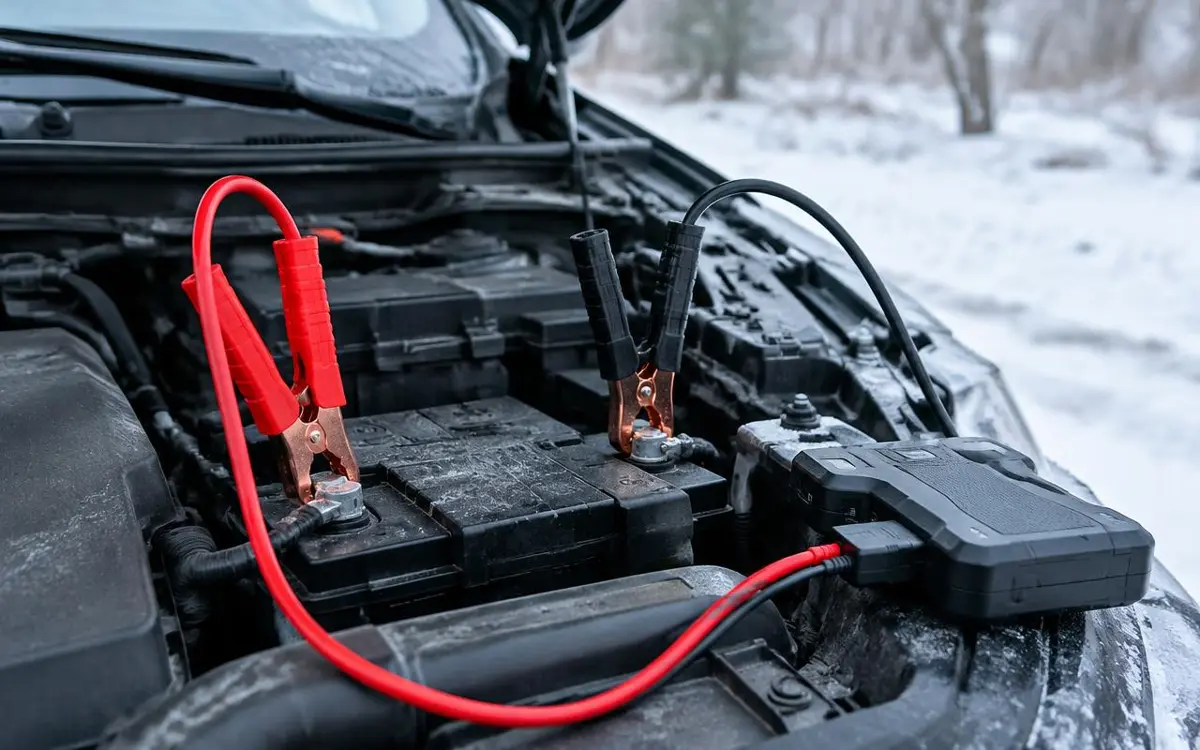
Boosting a vehicle involves connecting cables in the correct order to avoid sparks and electrical damage. Batteries can release flammable gas, and a cracked, swollen or leaking battery should not be boosted. Modern vehicles with sensitive electronics need careful handling.
When a Battery May Need Replacement
If your vehicle needs repeated boosts, starts slowly even after driving, or the battery is several years old, it may be time for a replacement. A boost gets the engine running but does not repair a failing battery or charging system. Battery replacement is not one of our listed services, so you may need a parts store or repair shop.
Requesting a Roadside Battery Boost
Call us with your location and vehicle details, or submit a service request. Our team will confirm whether we can help and when. Availability depends on location and scheduling — we do not guarantee response times.
After the Boost
Once running, drive the vehicle for a while so the alternator can recharge the battery. If the vehicle will not restart afterward, have the battery and charging system tested by a qualified shop.
What to Prepare Before Booking
- Your exact location.
- Vehicle year, make and model.
- What happens when you try to start (clicking, slow cranking, nothing).
- Access to the vehicle's hood release.
Booking requests are confirmed by our team before the appointment. Have questions first? Contact us.