What Correct Tire Pressure Means
The correct pressure for your vehicle is set by the vehicle manufacturer, not the number moulded on the tire sidewall (that is the maximum pressure). You will find the recommended PSI on the placard inside the driver's door jamb or in your owner's manual.
Underinflation
Underinflated tires flex more, build up heat and wear faster on the outer edges. They can increase fuel consumption and make the vehicle feel sluggish in corners.
Overinflation
Overinflated tires have a smaller contact patch, which can reduce grip and cause faster wear in the centre of the tread. The ride may also feel harsher.
TPMS Basics
Most newer vehicles have a Tire Pressure Monitoring System (TPMS) that turns on a dashboard warning when one or more tires are significantly low. The light is a warning, not a replacement for regular checks — by the time it comes on, a tire may already be well below the recommended pressure.
Seasonal Temperature Effects
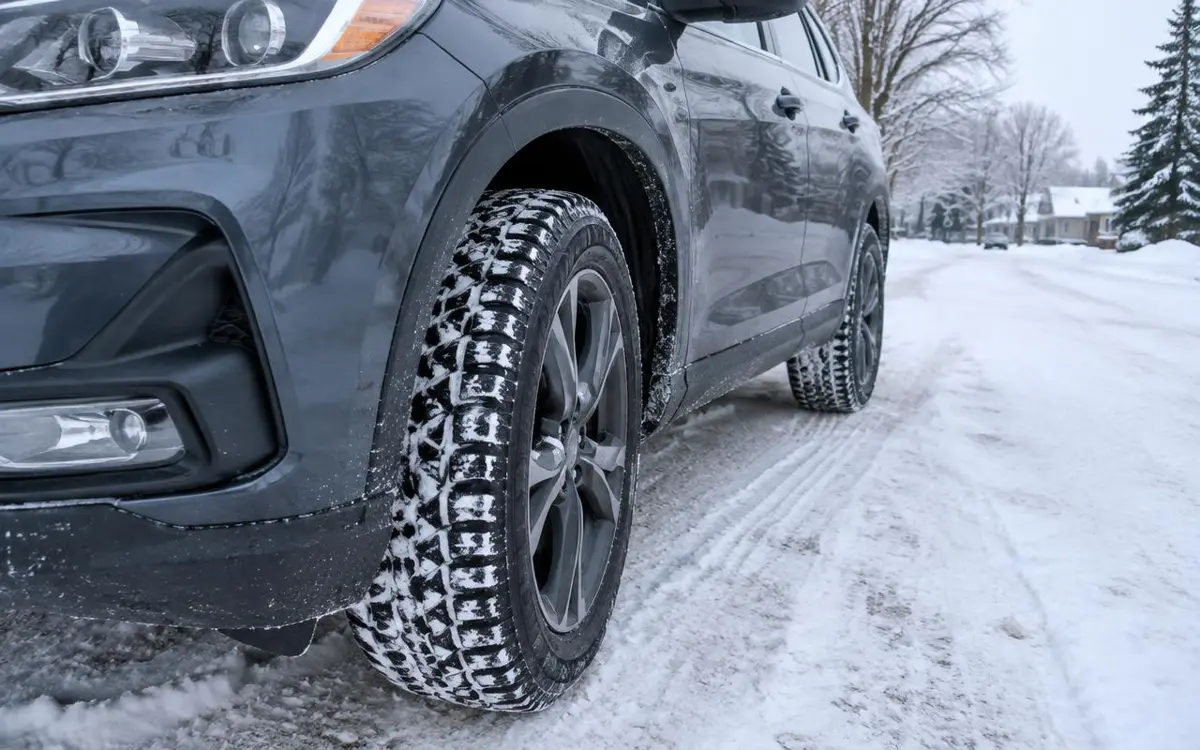
Tire pressure drops as temperatures fall — roughly 1 PSI for every 5–6°C. That is why many TPMS lights come on during the first cold mornings of fall. Check pressures more often when seasons change.
Check Pressure Against Manufacturer PSI
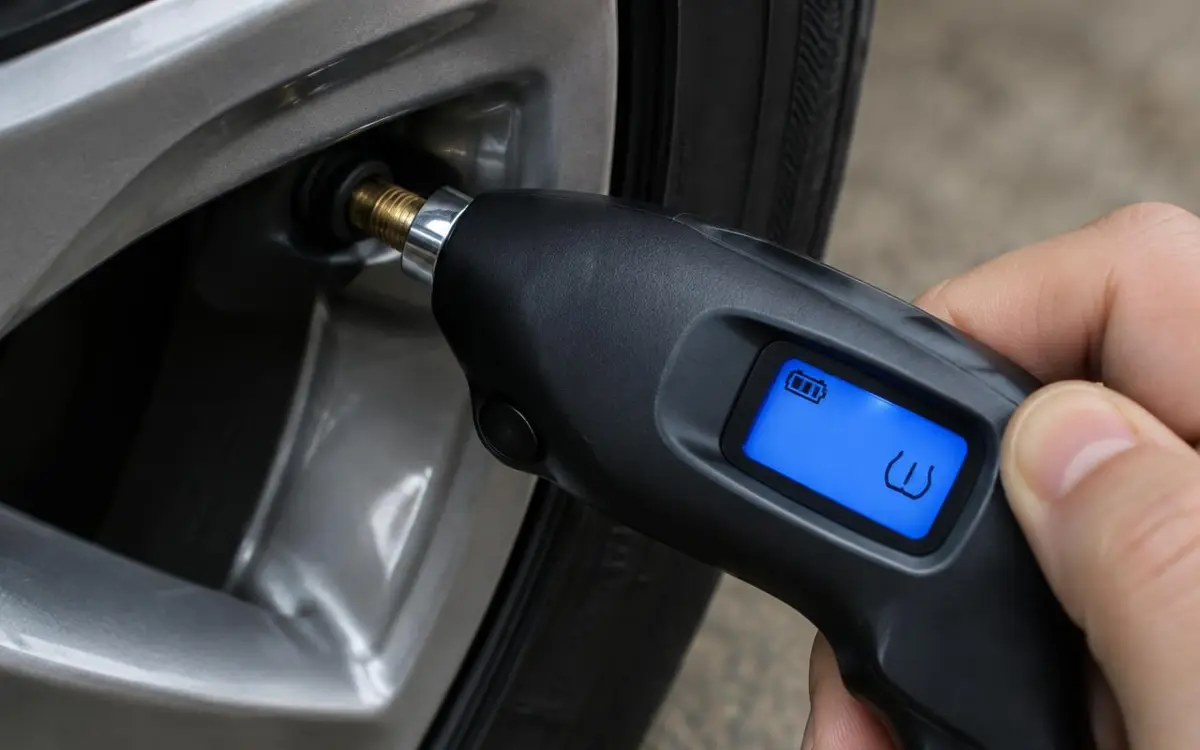
Measure pressure when tires are cold, before driving or after the vehicle has been parked for a few hours. Adjust each tire to the manufacturer's specification, including the spare if it is accessible.
What to Prepare Before Booking
- Whether a TPMS warning light is on.
- Which tire seems low, if you know.
- Vehicle details.
- Ideally, a vehicle that has not been driven far before the check.
Booking requests are confirmed by our team before the appointment. Have questions first? Contact us.