Spare Tire Installation
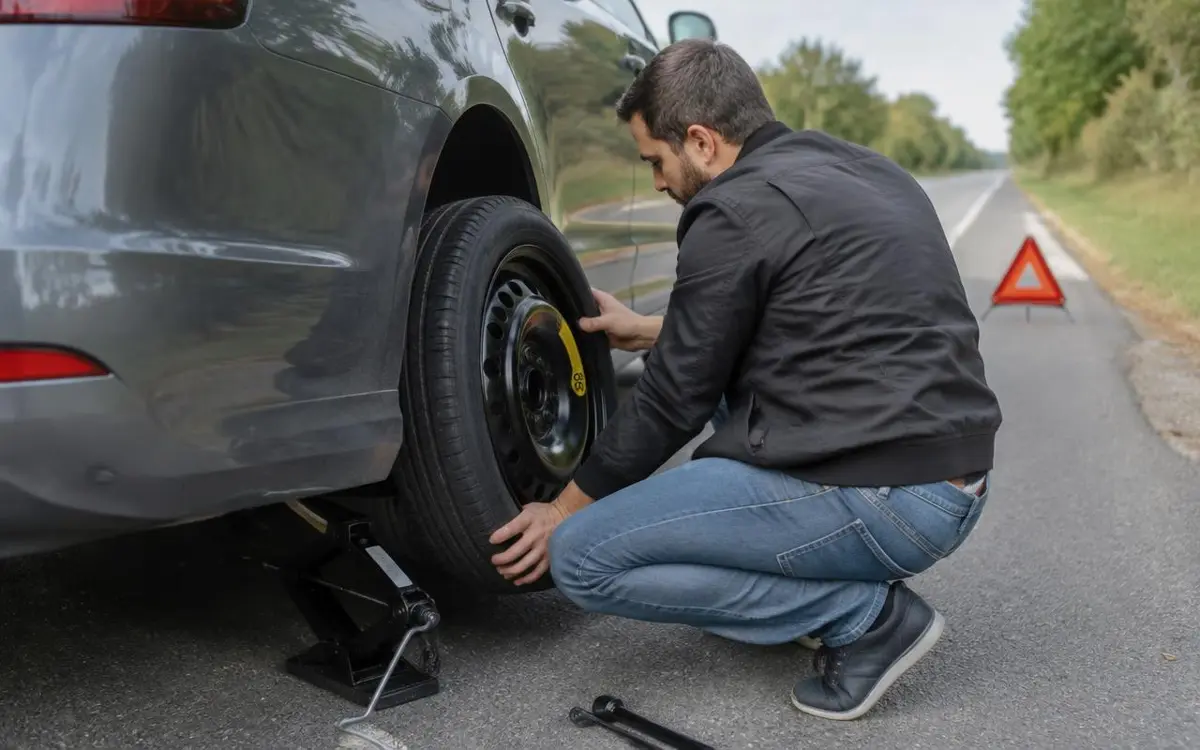
The vehicle is lifted at the manufacturer's jacking point, the flat is removed and the spare is installed and torqued. The damaged tire is placed in the vehicle so it can be inspected or repaired later.
Replacing a Flat with Your Spare
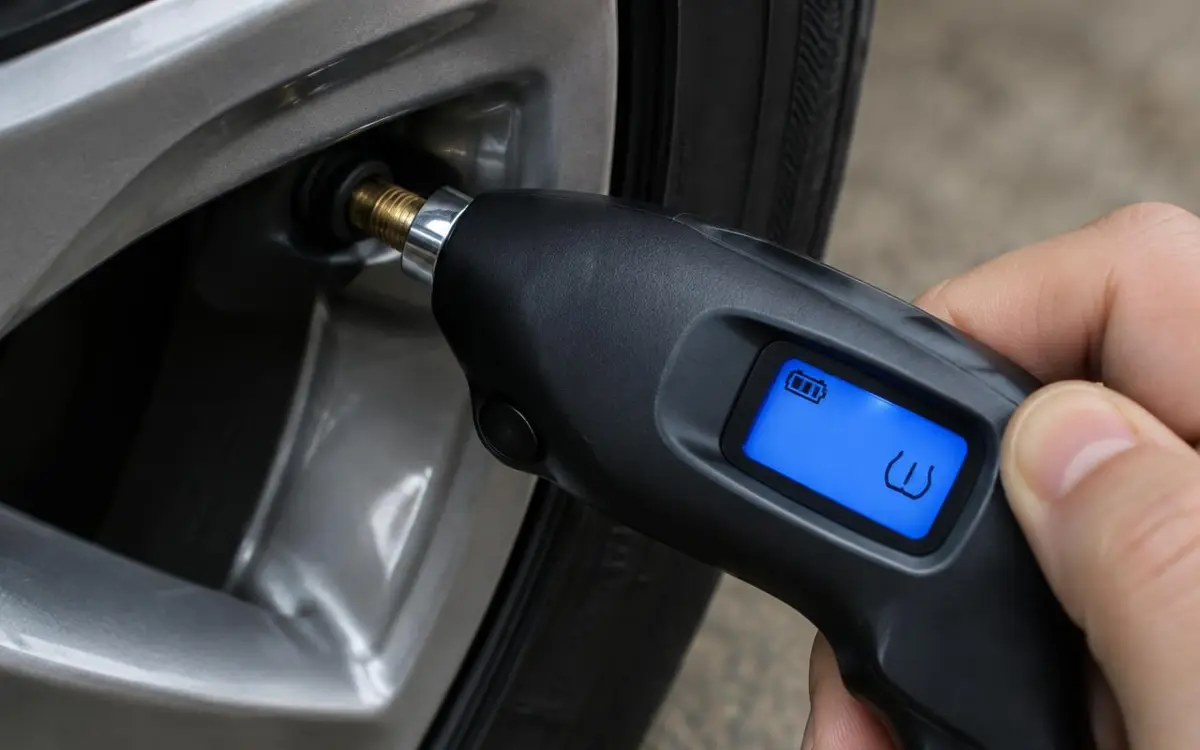
Many spares sit unused for years and slowly lose pressure. Before installation, the spare is checked for pressure and visible condition. A spare that is flat or damaged may not be usable.
Temporary Spare Tire Considerations
Compact 'donut' spares are designed for short-term use only:
- They usually carry a reduced speed limit, often 80 km/h — check the sidewall.
- They are meant for limited distances until the flat is repaired or replaced.
- They often require higher pressure than regular tires, printed on the tire.
- Handling and braking may feel different while the spare is installed.
Vehicle Preparation
Know where your spare, jack and wheel lock key are stored — often under the trunk floor. Some vehicles have no spare and use a tire inflator kit instead; let us know if that applies to you.
Safety Precautions While You Wait
If you are roadside, pull as far away from traffic as you can, switch on hazard lights and stay in a safe location. If your position is unsafe, contact emergency services. Do not attempt to change a tire on a busy highway shoulder yourself.
After the Spare Is On
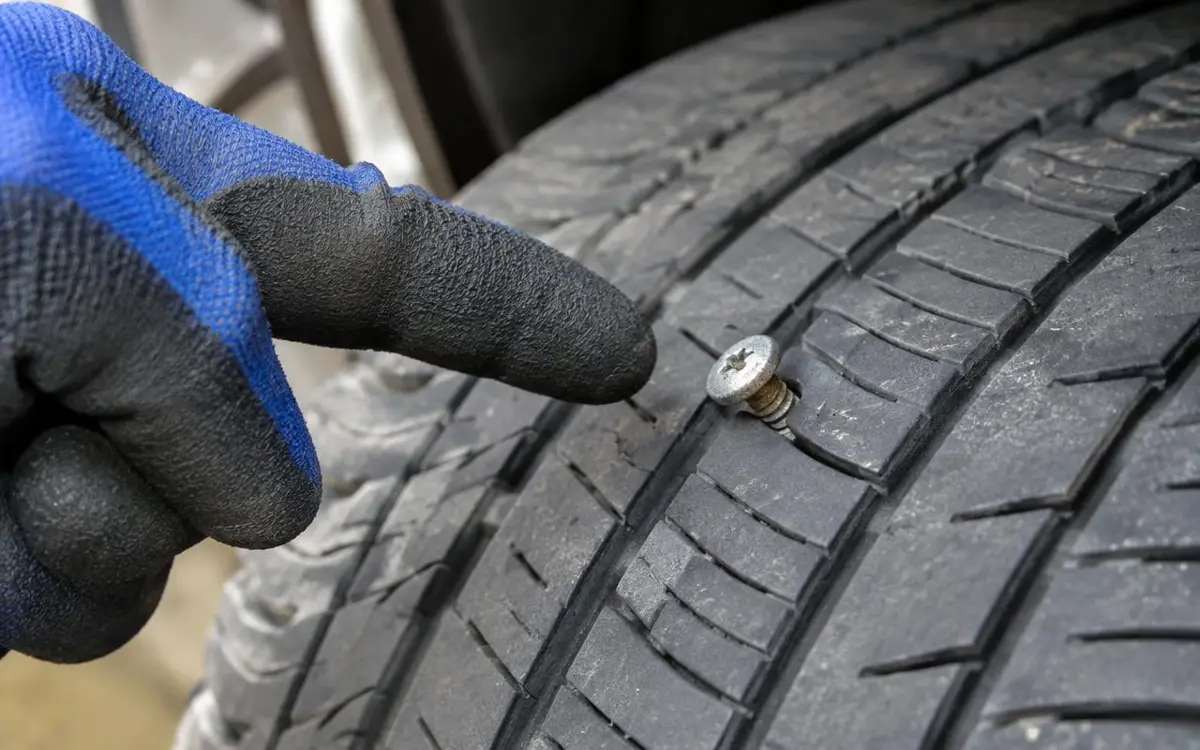
Plan to repair or replace the flat soon. Our Flat Tire Repair and Tire Puncture Repair services can help determine whether the original tire is repairable.
What to Prepare Before Booking
- Your location and how the vehicle is parked.
- Confirmation that your vehicle has a spare tire.
- Location of the jack and wheel lock key.
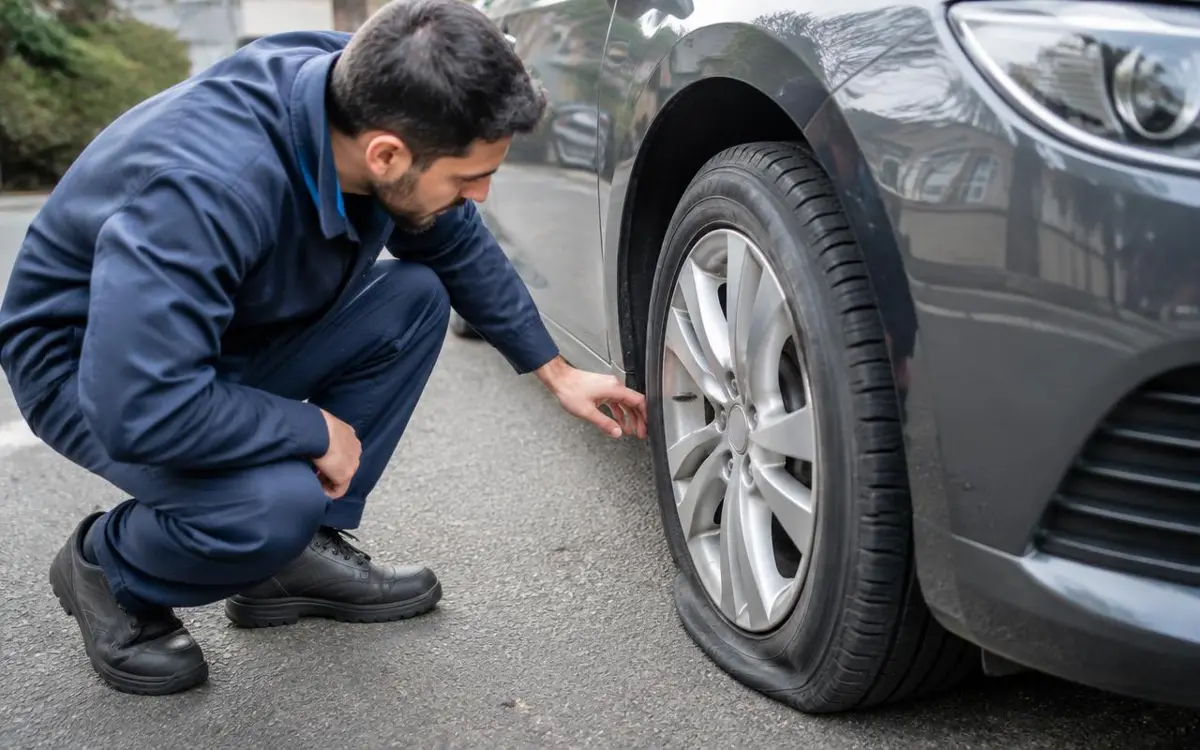
- Which tire is flat.
Booking requests are confirmed by our team before the appointment. Have questions first? Contact us.