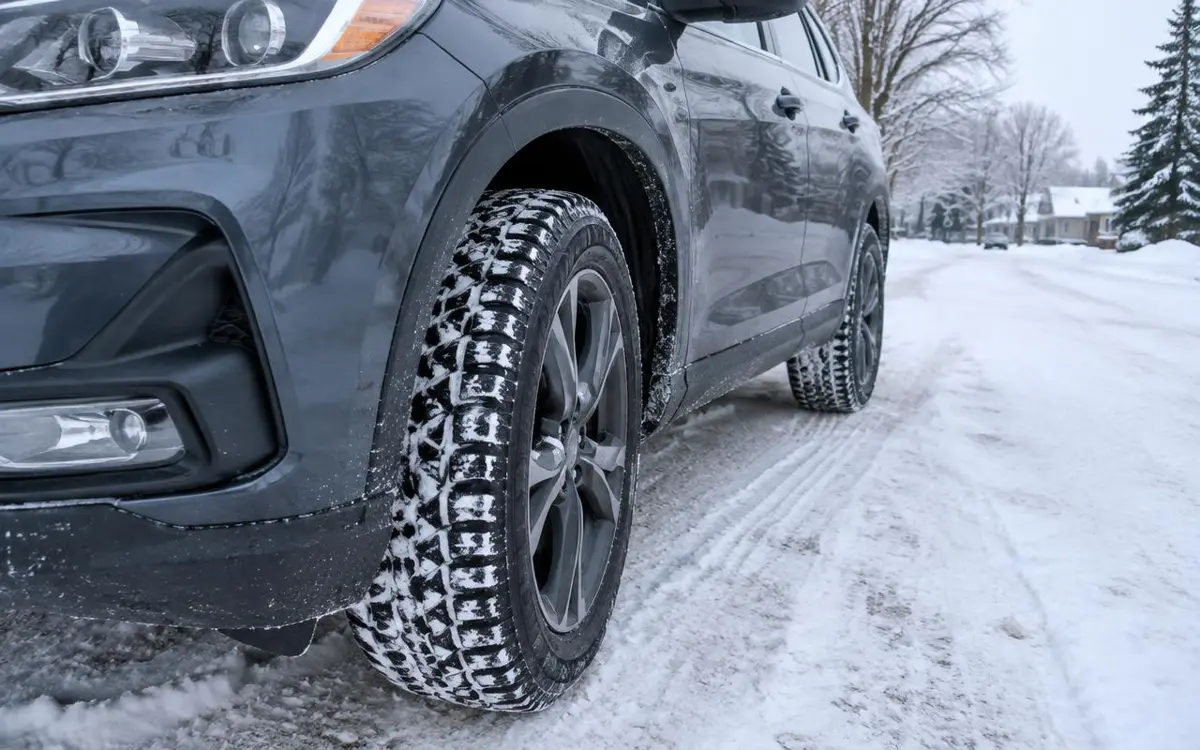
Why Winter Tires Matter in Canadian Conditions
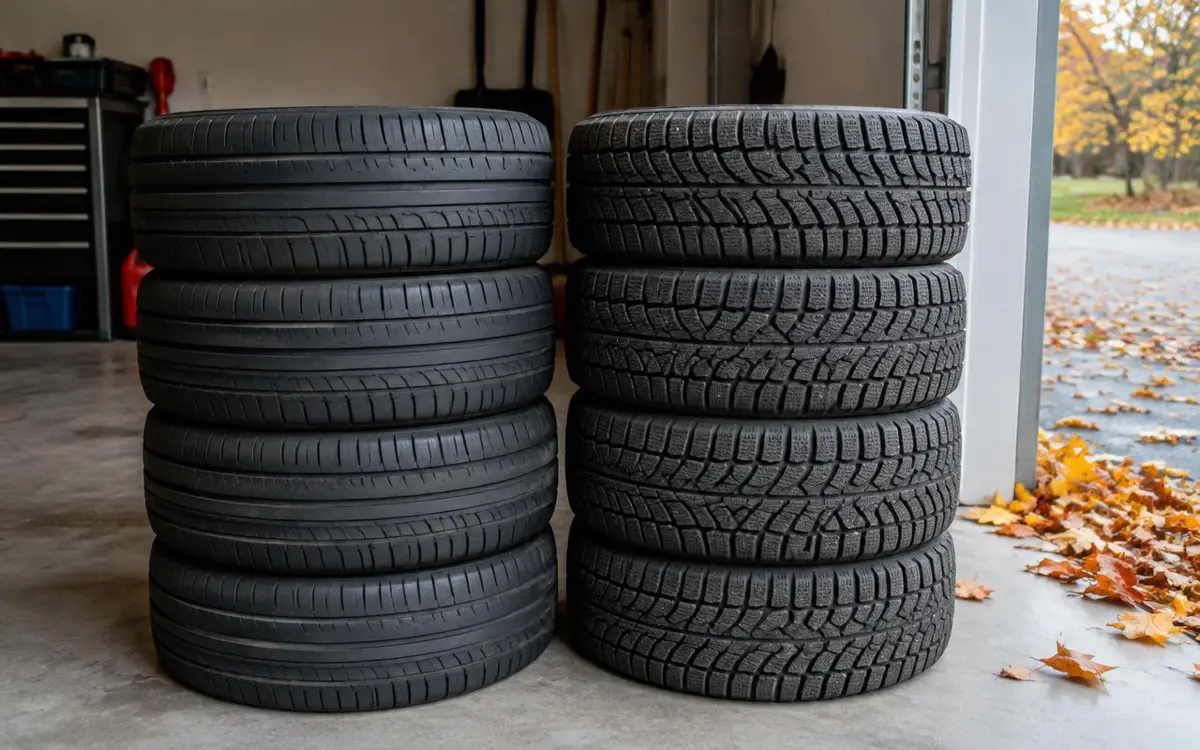
Winter tires use a softer rubber compound that stays flexible below about 7°C, along with deep tread and many small slits called sipes that grip snow and ice. All-season tires stiffen in the cold, which can lengthen stopping distances.
Look for the three-peak mountain snowflake symbol on the sidewall — it indicates the tire meets a recognised standard for severe snow performance. Some provinces have specific winter tire rules, so check the requirements where you drive.
What a Winter Tire Changeover Includes
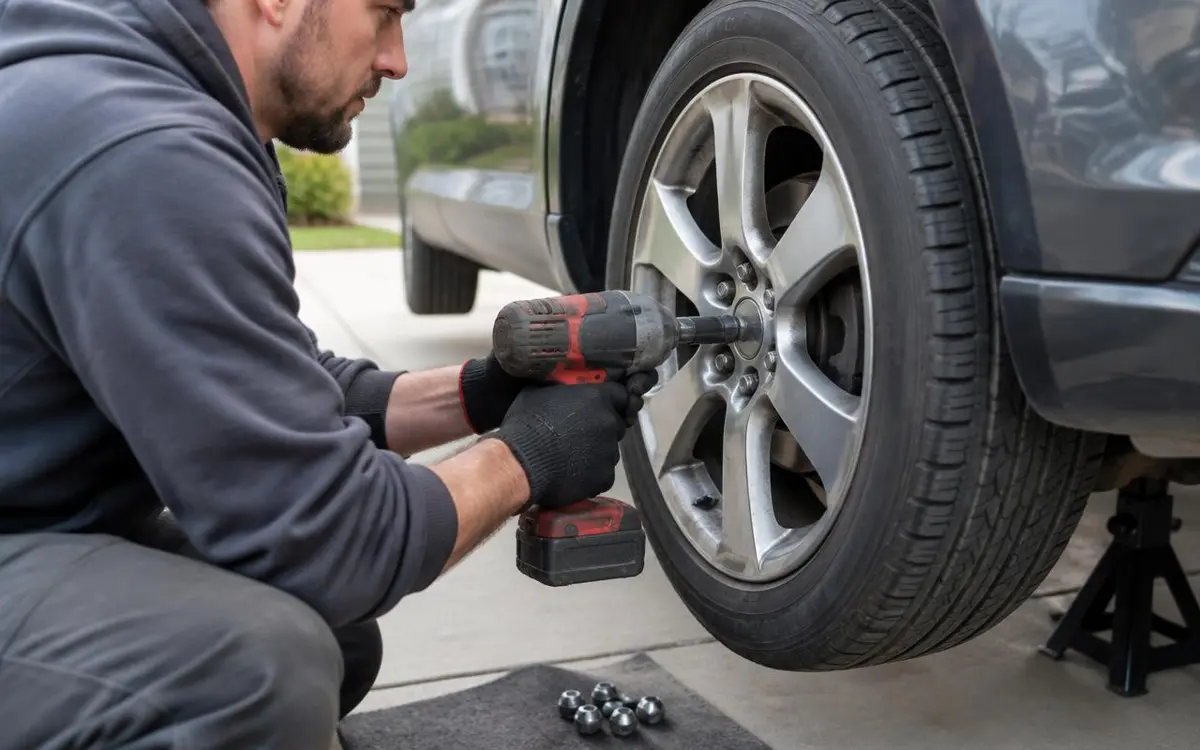
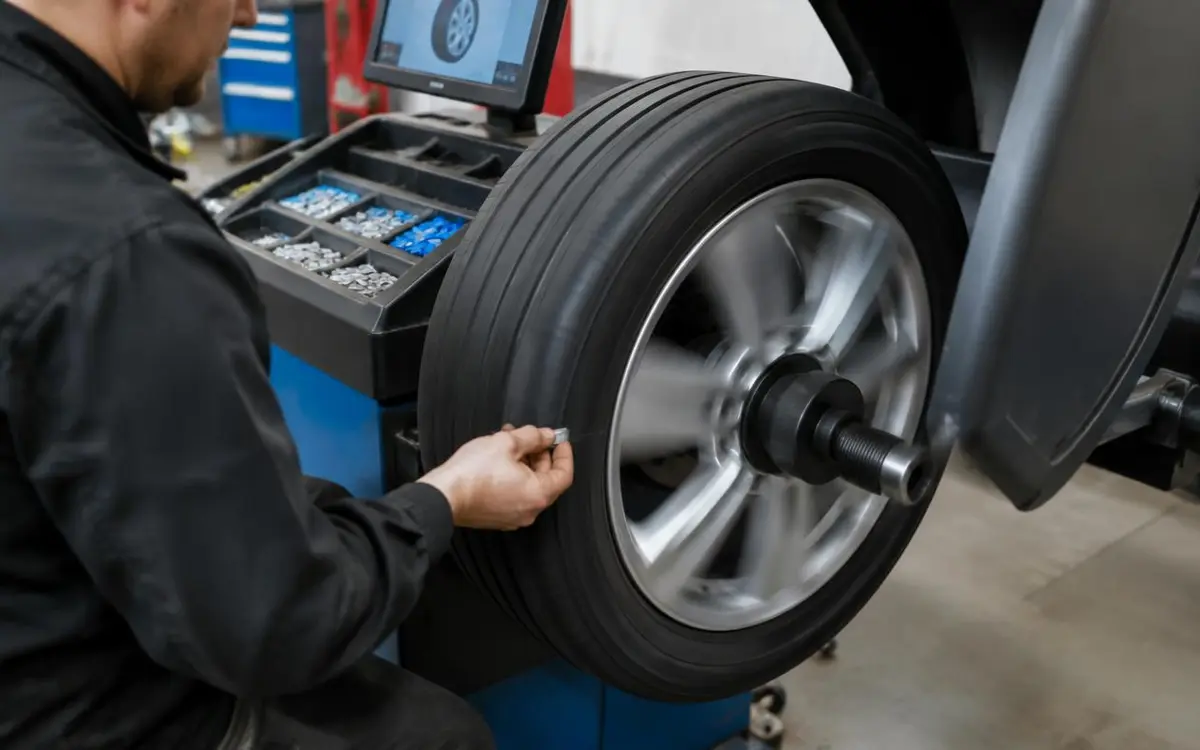
If your winter tires are on their own rims, the changeover is a wheel swap. If they need to be mounted on your existing wheels, the tires are swapped off-rim and balanced. Pressures are set for the season.
When to Plan Your Changeover
A common guideline is to install winter tires once daytime temperatures consistently drop to around 7°C. Booking early in the fall helps you avoid the rush that follows the first snowfall.
Seasonal Preparation Checklist
- Inspect your winter tires for tread depth and damage before the season.
- Confirm whether they are on rims or off rims.
- Check that your wheel lock key is in the vehicle.
- Plan where your summer or all-season tires will be stored.
Winter Driving Considerations
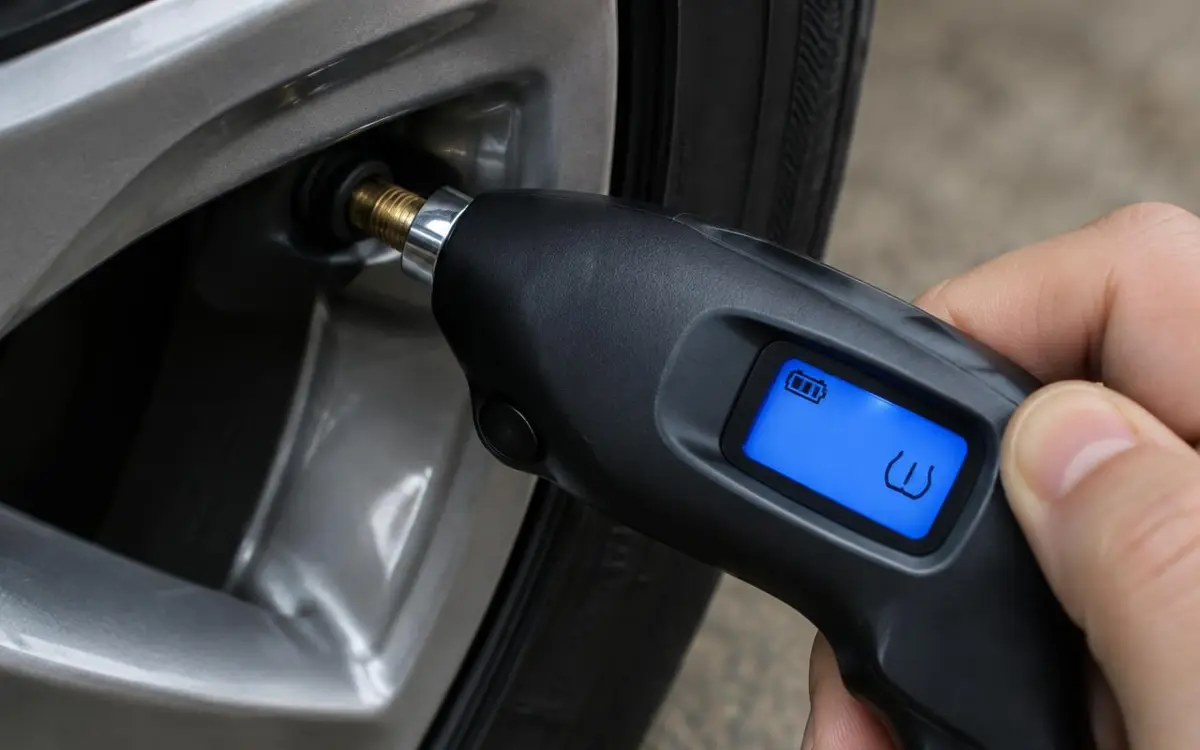
Cold temperatures reduce tire pressure, so check it more often in winter. Even with winter tires, adjust your speed and following distance for road conditions. Our Tire Pressure Check service can help keep pressures where they should be.
Why a Mobile Changeover Helps
Fall is the busiest time of year for tire shops. A mobile changeover means no hauling heavy tires in your trunk and no long waits — the work happens at your home or workplace.
What to Prepare Before Booking
- Your winter tires or wheels, accessible at the service location.
- Whether they are mounted on rims.
- Tire size and vehicle details.
- Wheel lock key and a clear area to work.
Booking requests are confirmed by our team before the appointment. Have questions first? Contact us.