When Tire Replacement May Be Necessary
Tires wear gradually, so it is easy to miss when they have reached the end of their useful life. Signs that replacement may be needed include:
- Tread worn down to the wear bars moulded into the grooves.
- Cracks, bulges or cuts on the sidewall.
- A puncture that is too large or too close to the shoulder to repair.
- Tires that are several years old and show signs of rubber ageing.
- Noticeably longer stopping distances or reduced grip in rain or snow.
Choosing Appropriate Replacement Tires
The best starting point is the tire information placard, usually found on the driver's door jamb. It lists the original tire size and recommended pressures. Your owner's manual will also show approved sizes.
Think about how and where you drive. All-season tires are a common choice for three seasons, while winter tires are designed for cold temperatures, snow and ice. If you are unsure what to buy, describe your vehicle and driving needs when you contact us.
Tire Compatibility Matters
A replacement tire must match your wheel diameter and be within the size, load index and speed rating appropriate for your vehicle. Mixing very different tires on the same axle can affect handling, so tires are generally replaced in pairs or as a full set.
Our Installation Process
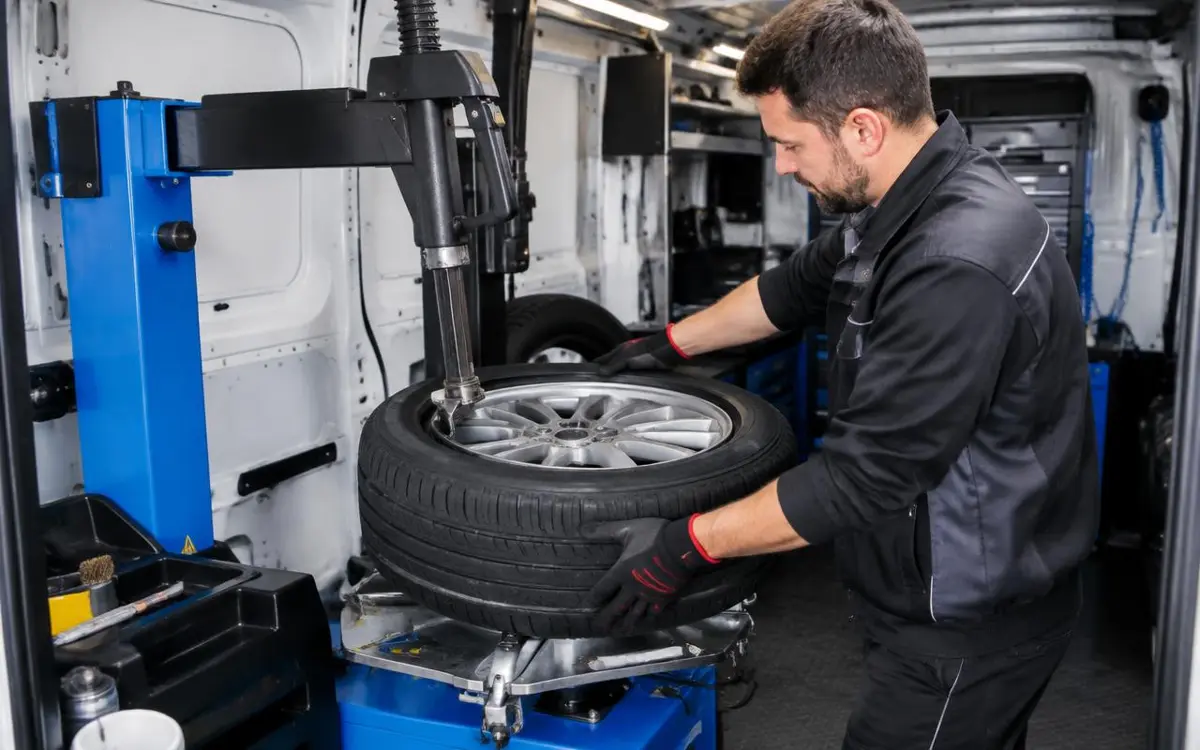
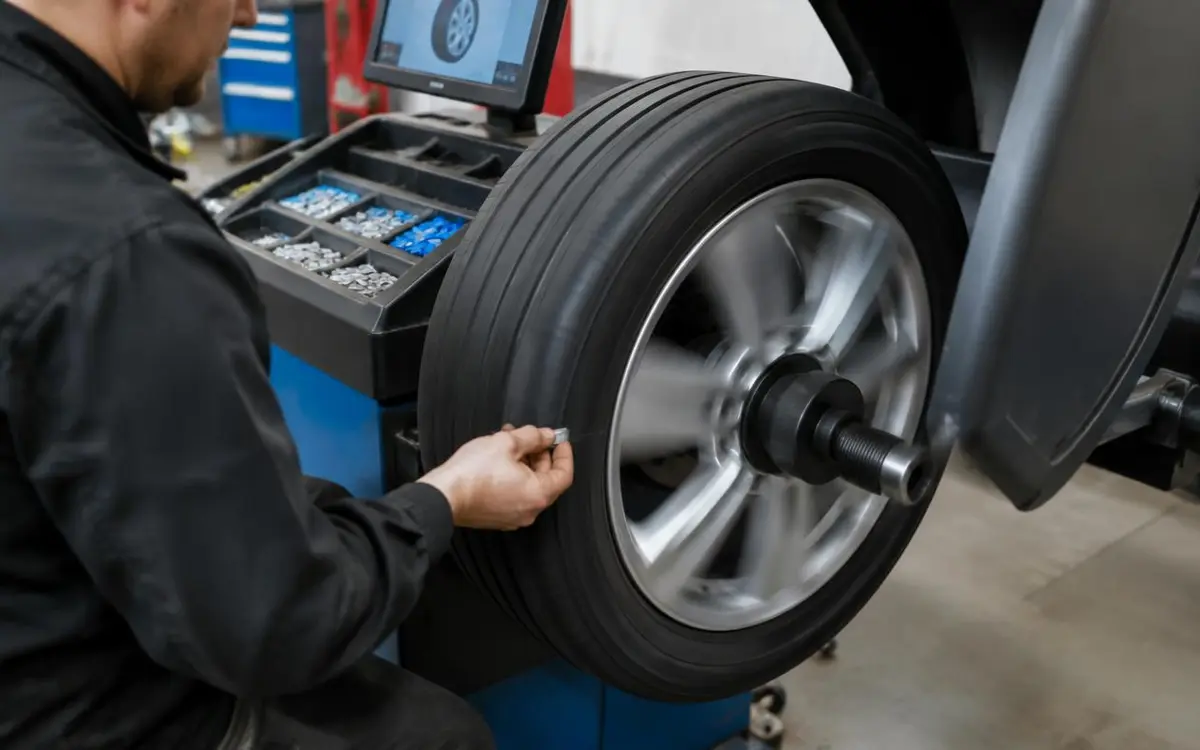
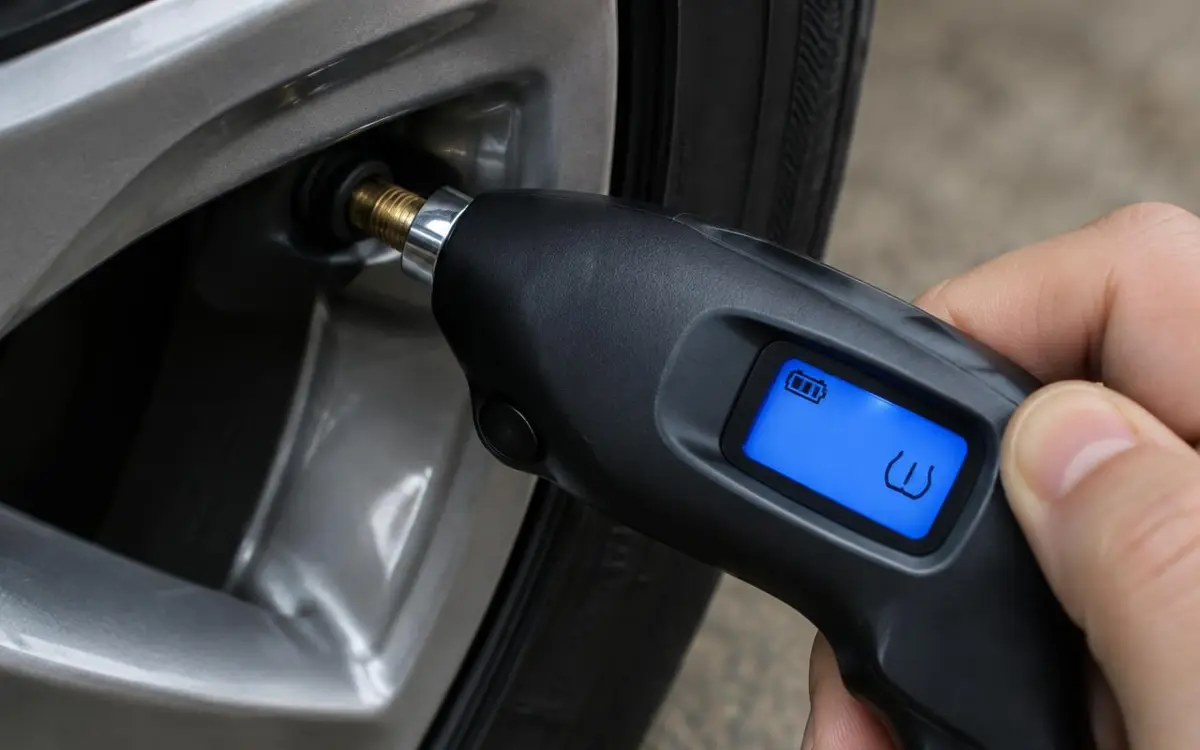
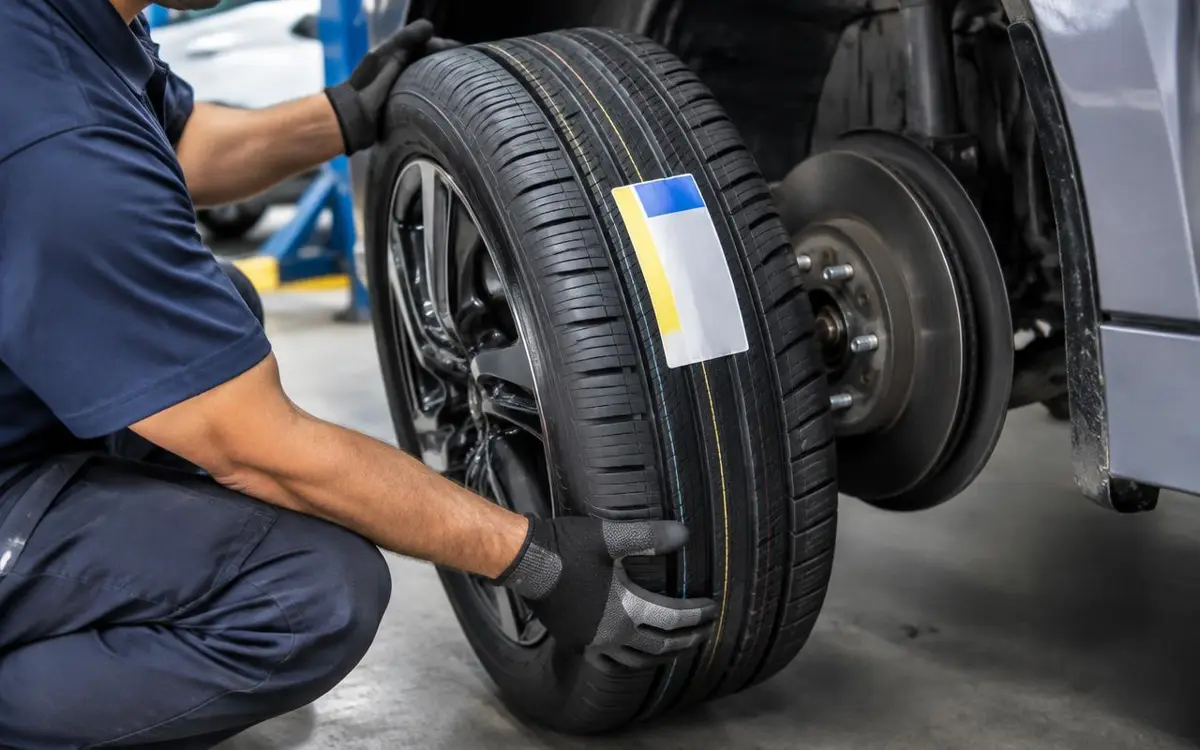
Old tires are removed from the rims, the wheels are inspected, and the new tires are mounted. Each wheel is then balanced so it spins smoothly before being reinstalled and torqued. Tire pressure is set to the vehicle manufacturer's recommendation.
Installation Considerations
Some vehicles use tire pressure monitoring sensors (TPMS) inside the wheel, and these need to be handled carefully during the swap. Damaged valve stems or corroded wheel surfaces may also need attention. We will let you know if we notice anything that affects the installation.
The Convenience of Mobile Installation
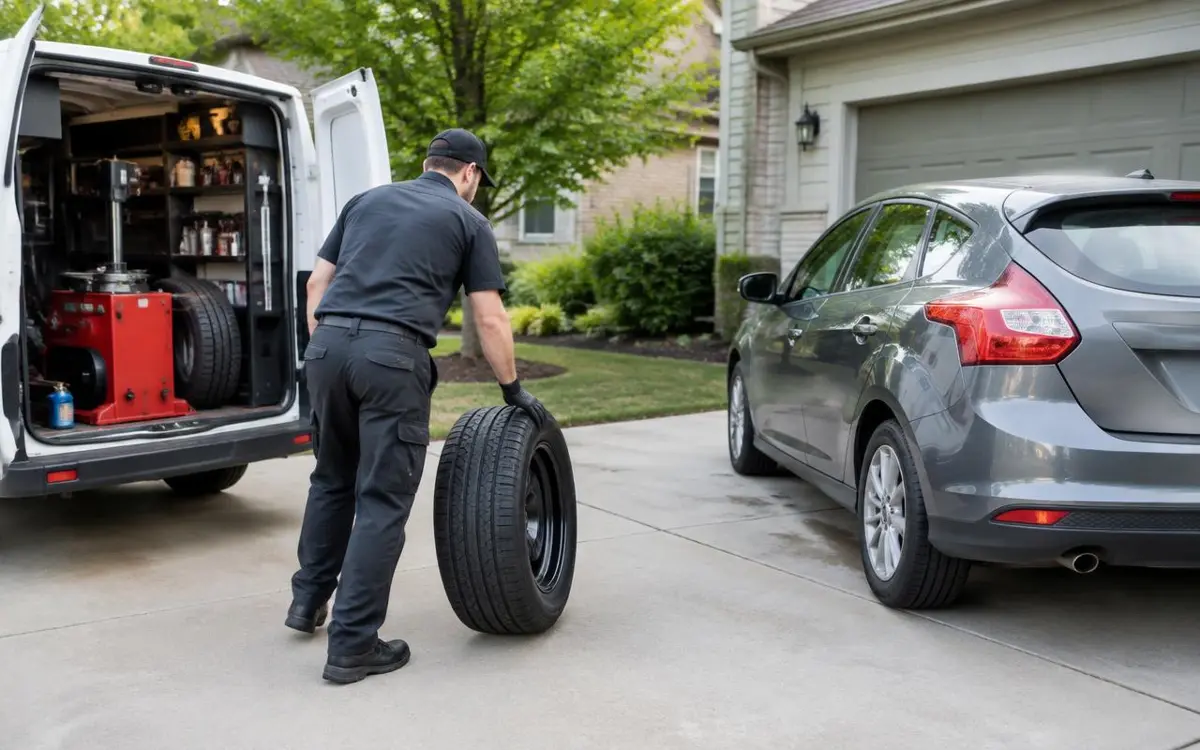
Many drivers now buy tires online or from a retailer and simply need someone to install them. Having them installed at home or at work saves a separate trip and the wait at a busy shop, especially during seasonal rushes.
What to Prepare Before Booking
- Your new tires, delivered and ready at the service location.
- Your vehicle details and current tire size.
- Whether your vehicle has TPMS sensors (most newer vehicles do).
- Your wheel lock key, if applicable.
- Instructions for what you would like done with your old tires.
Booking requests are confirmed by our team before the appointment. Have questions first? Contact us.