Mobile Tire Repair Explained
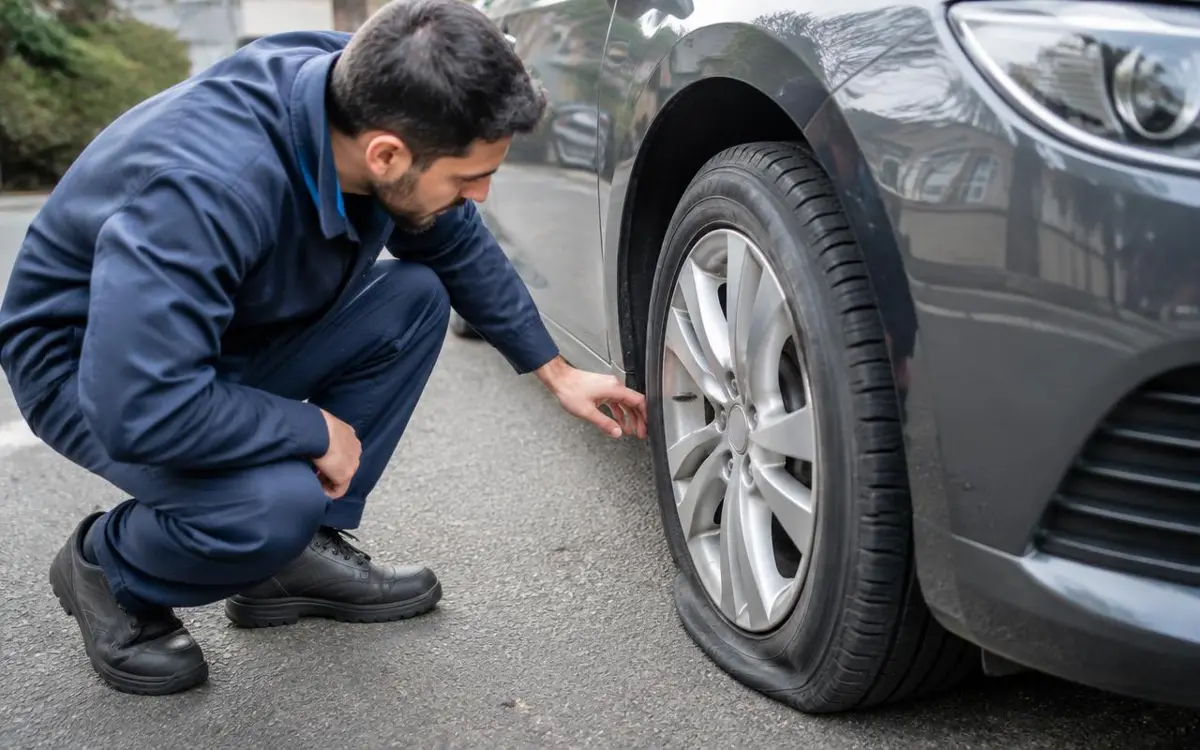
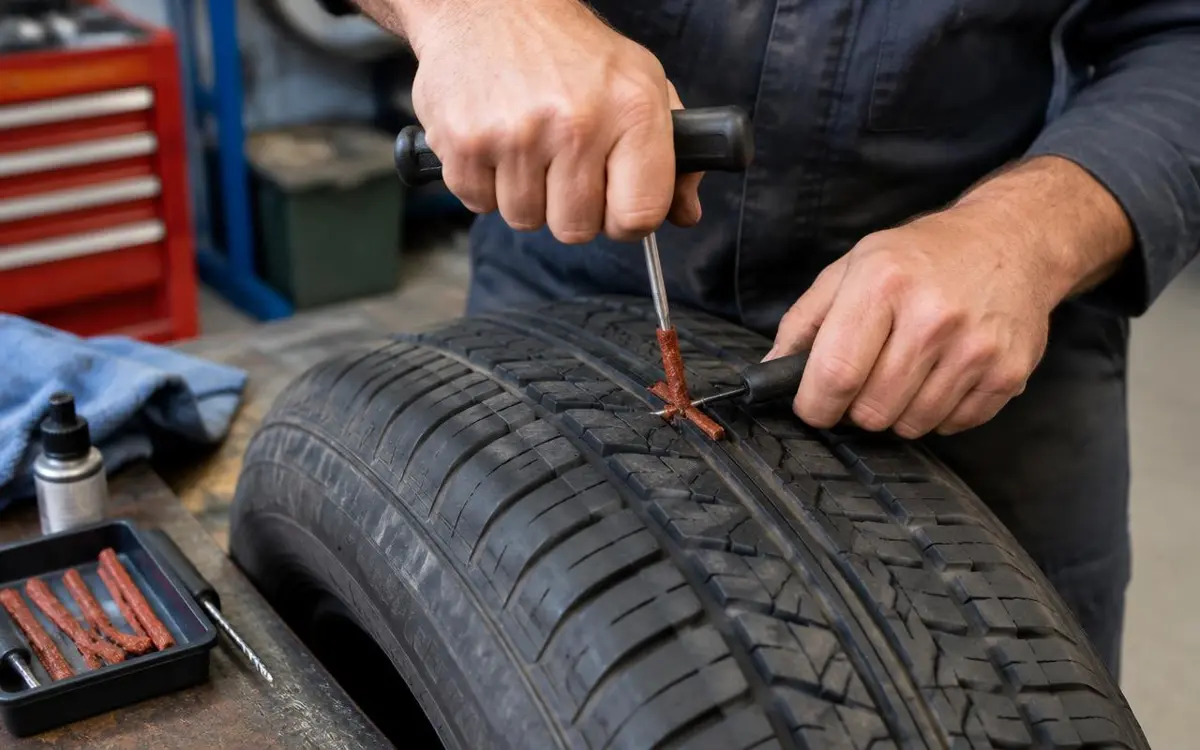
Mobile tire repair covers common problems such as slow leaks, small punctures in the tread and leaking valve stems. Rather than driving on a questionable tire, you can request service at home, at work or wherever the vehicle is parked safely.
Common Tire Issues We See
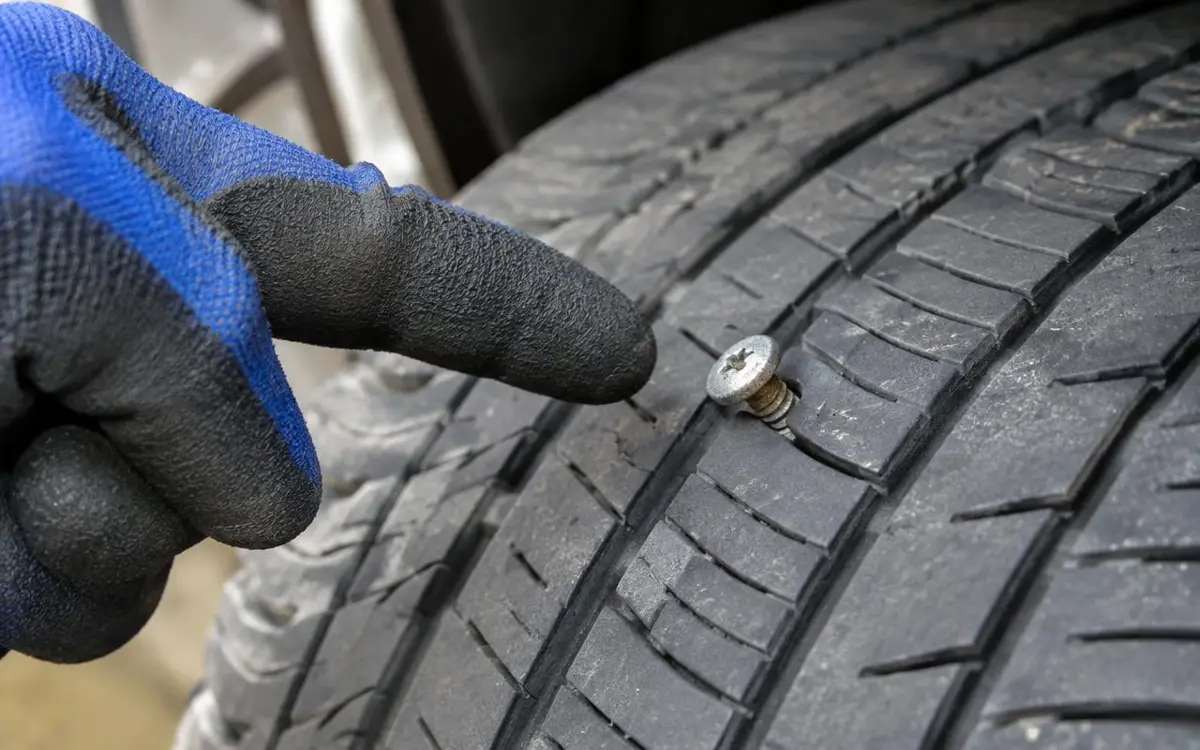
- Slow leaks caused by small nails or screws.
- Air loss at the bead where the tire meets the rim, often linked to corrosion.
- Worn or cracked valve stems.
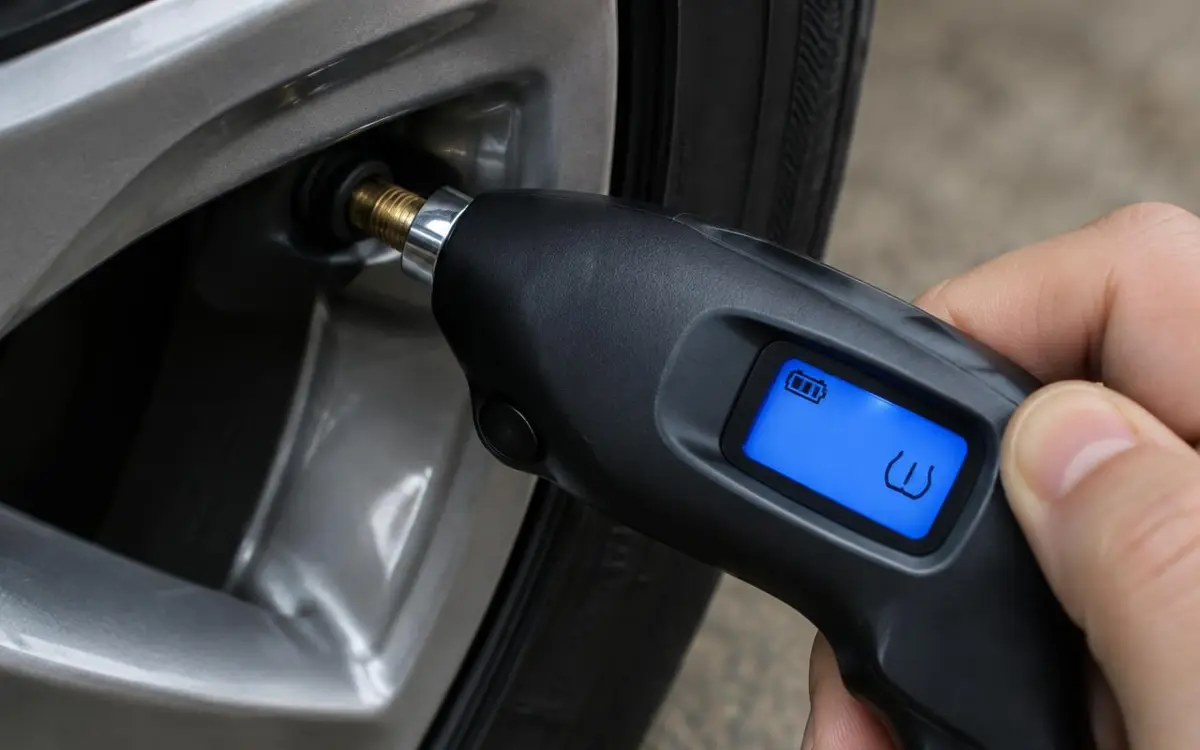
- Low pressure warnings that come back after topping up.
Is Your Tire Suitable for Repair?
Repair suitability depends on where the damage is, how large it is and the overall condition of the tire. Generally, small punctures in the central tread area are the best candidates. Damage to the sidewall or shoulder is typically not repairable.
Safe Repair Considerations
A proper repair should seal the inner liner and fill the injury path. A tire that has been driven on while flat may have hidden internal damage, so it must be removed from the rim and inspected from the inside before deciding on a repair.
When Tire Replacement Is Necessary
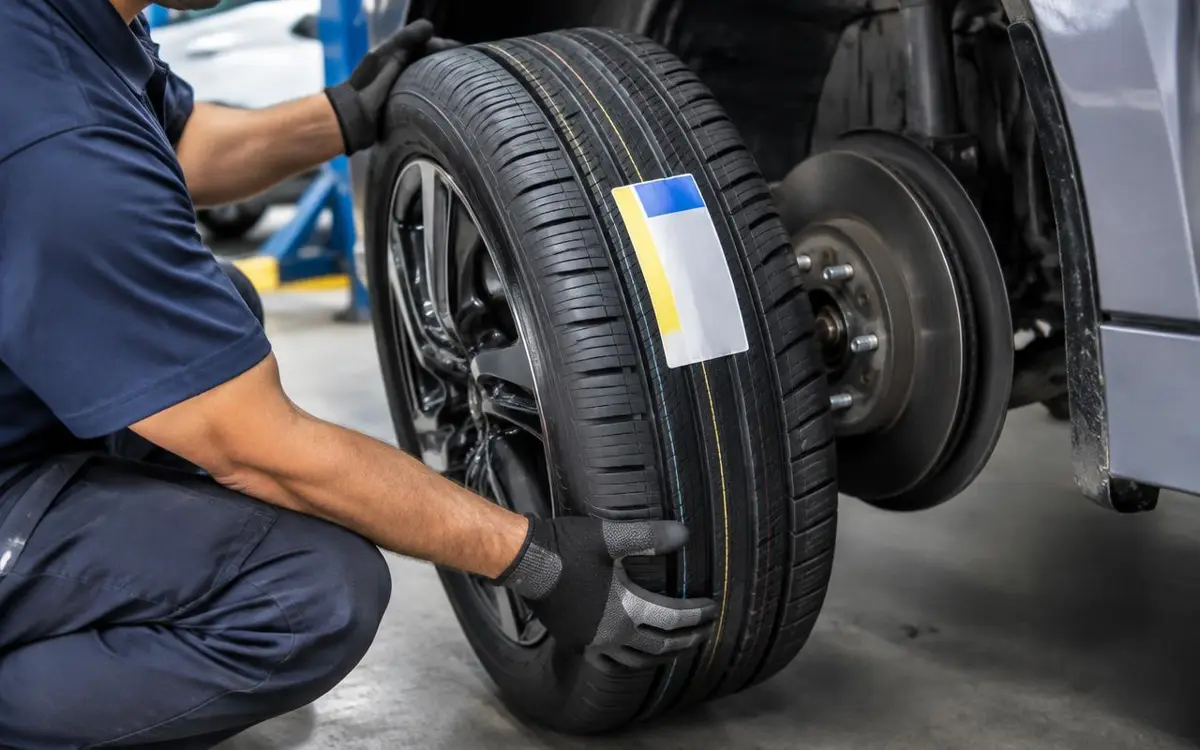
If the tire has sidewall damage, a large cut, multiple punctures close together, worn-out tread or signs of internal damage, replacement is the safer choice. We will explain what we find so you can decide on next steps, including our New Tire Installation service.
Benefits of Repairing on Site
Many leaking tires can be dealt with without driving to a shop on low pressure. Mobile repair reduces the risk of further damage on the way and saves you time.
What to Prepare Before Booking
- Where the tire is losing air, if you know.
- Whether you have been driving on it while low or flat.
- Vehicle details and tire size.
- A safe place to park away from traffic.
Booking requests are confirmed by our team before the appointment. Have questions first? Contact us.