Tire Mounting Explained
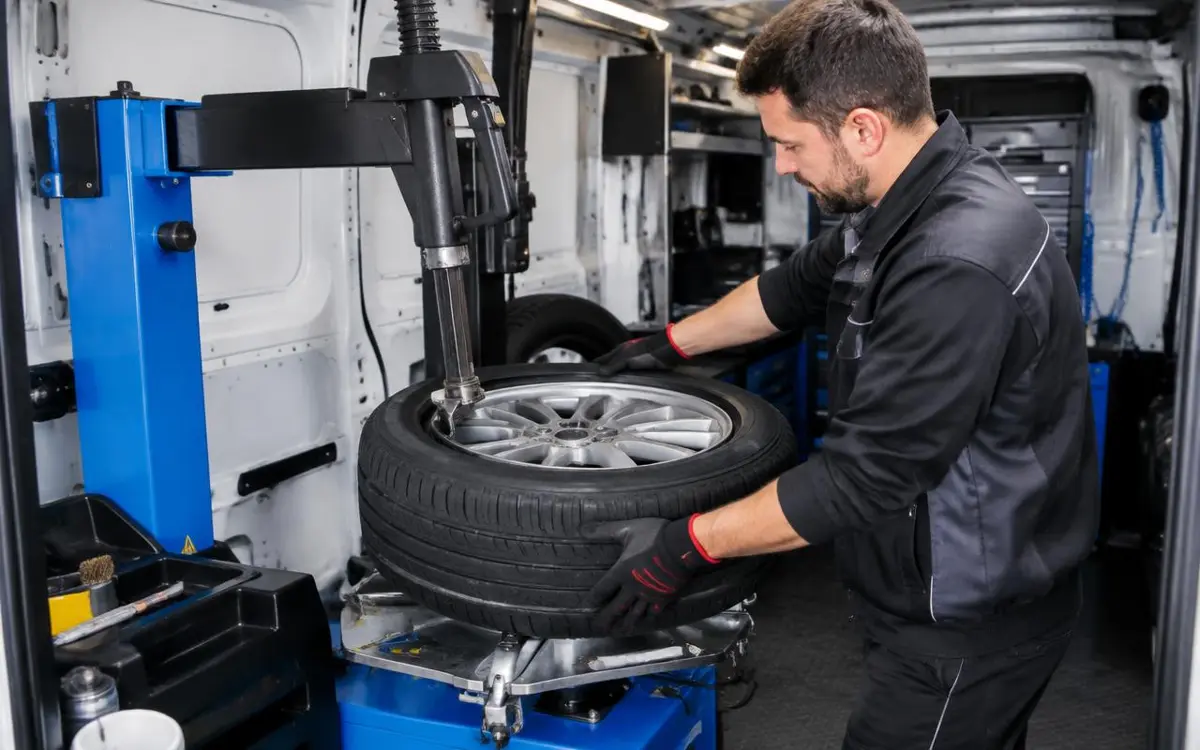
To mount a tire, the wheel is clamped onto a tire machine. The tire bead is lubricated and guided over the rim flange, first the bottom bead and then the top. The goal is to fit the tire without scratching the wheel or damaging the bead.
Once on the rim, the tire is inflated until both beads 'pop' into their seats against the rim, creating an airtight seal.
The Tire Fitting Process
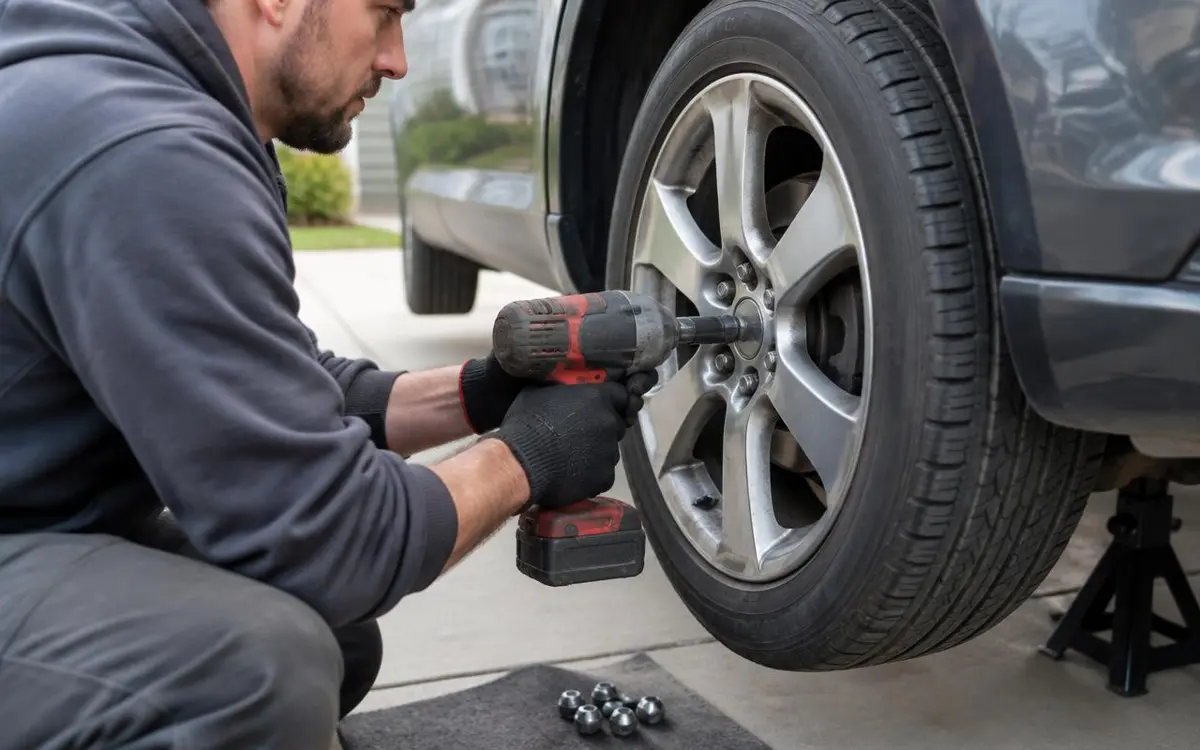
After mounting and inflation, the assembly is checked for an even bead line and leaks. It is then balanced, mounted onto the vehicle hub, and the lug nuts are tightened in a star pattern to spread clamping force evenly.
Rim and Tire Compatibility
Not every tire belongs on every wheel. A safe fit depends on:
- Matching rim diameter — a 17-inch tire only fits a 17-inch wheel.
- Rim width within the range the tire manufacturer specifies.
- Wheel condition — bent rims or heavy corrosion can prevent a good seal.
- Valve stems and TPMS sensors that are in good working order.
Proper Installation Considerations
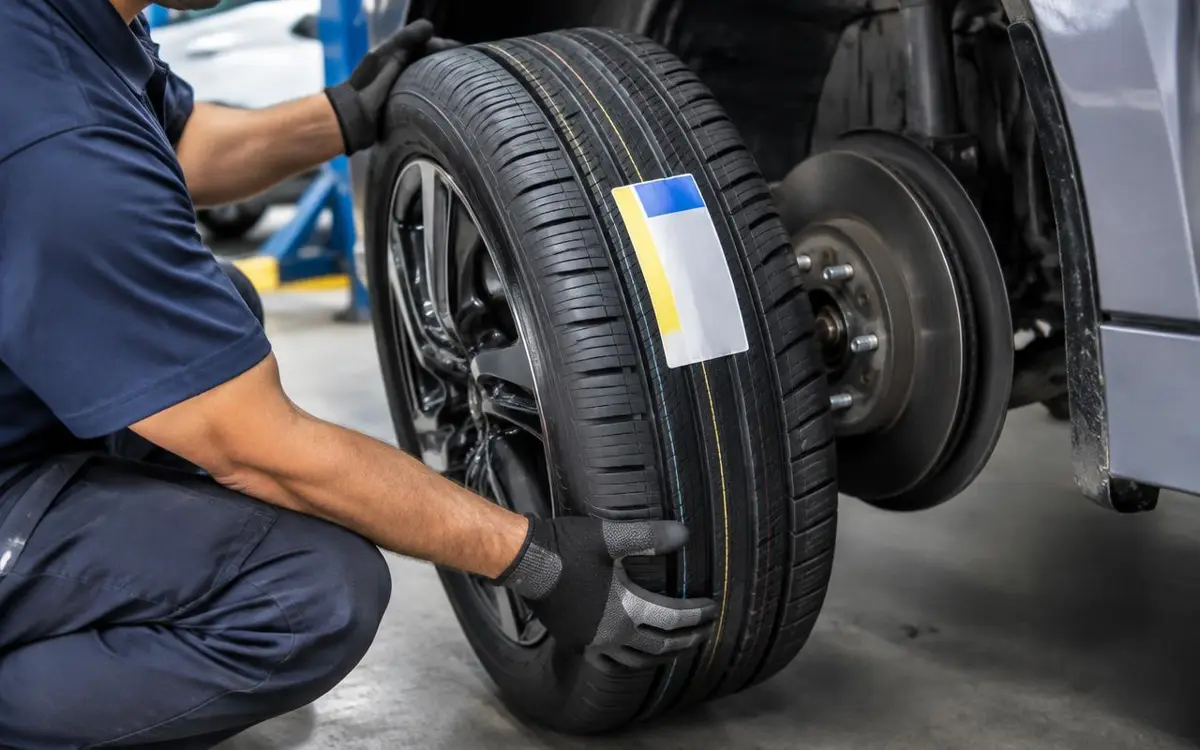
Directional and asymmetrical tires have to be mounted the right way around. Low-profile and run-flat tires need extra care because of their stiff sidewalls. Our team checks tire markings before mounting so each tire is oriented correctly.
Why Balancing Follows Mounting
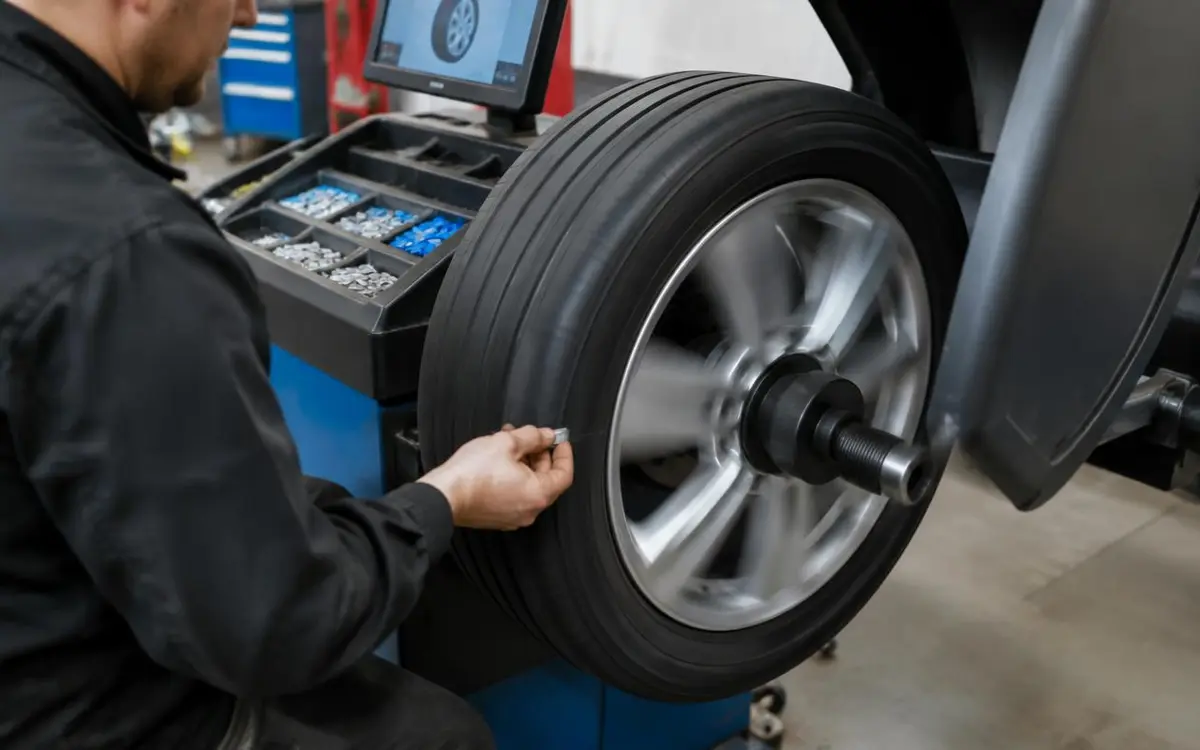
No tire and wheel is perfectly uniform. Once mounted, small weight differences can cause vibration at highway speeds. That is why mounting is usually followed by wheel balancing — see our Wheel Balancing service for details.
Mounting at Your Location
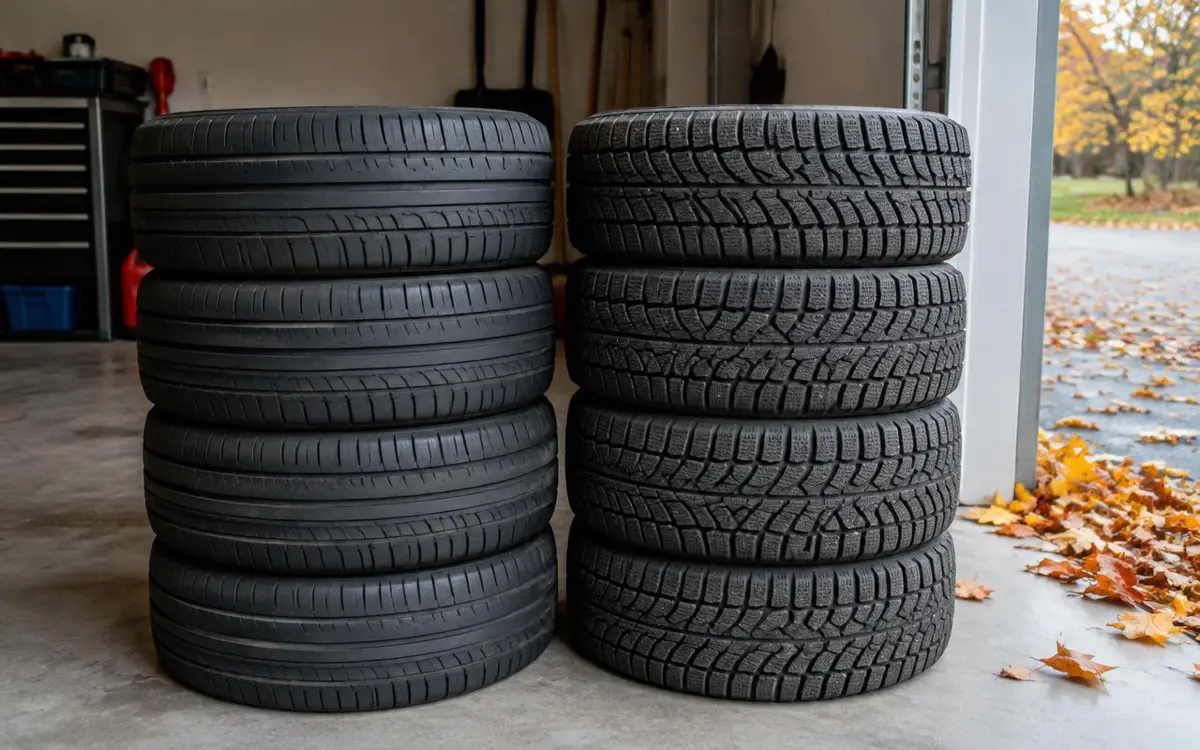
Mobile tire mounting brings the machine to you, so tires and wheels do not have to be transported to a shop. It works well for seasonal tire changes on a single set of rims or for fitting new tires you have bought.
What to Prepare Before Booking
- The tires to be mounted and the wheels they are going on.
- Tire size and wheel diameter.
- Whether the tires are directional or run-flat.
- Any known wheel damage, such as curb rash or bends.
Booking requests are confirmed by our team before the appointment. Have questions first? Contact us.