What Tire Rotation Means
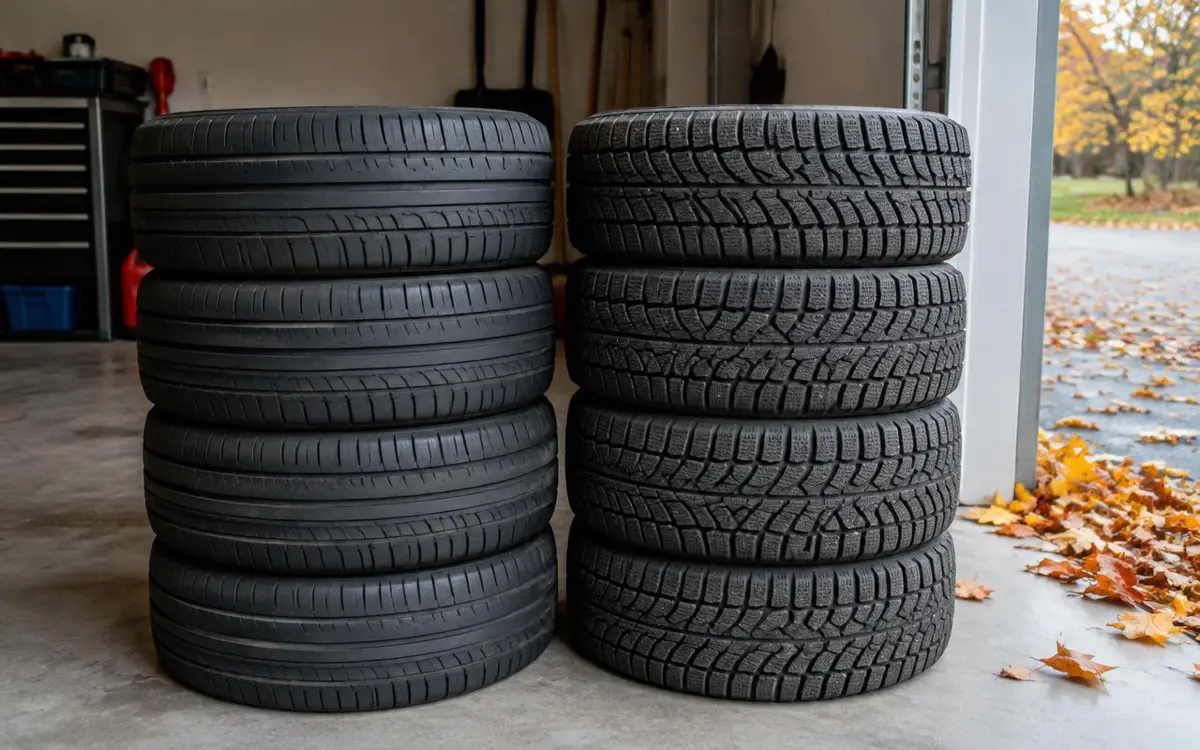
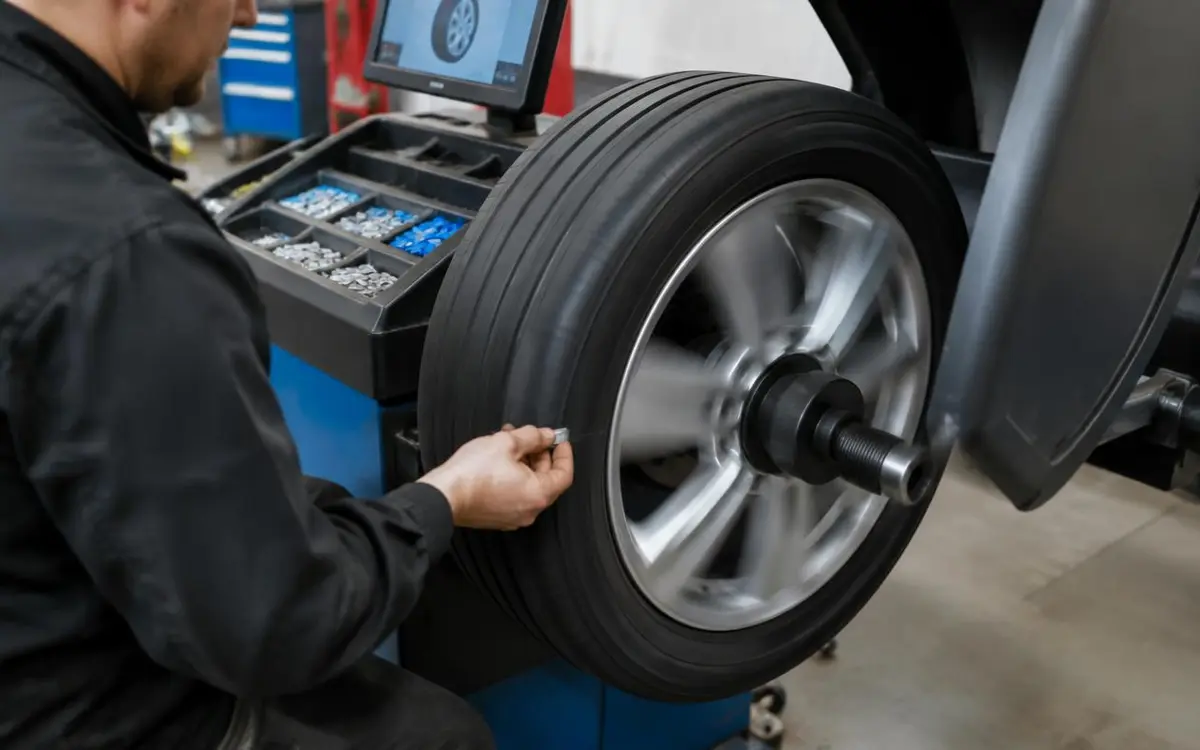
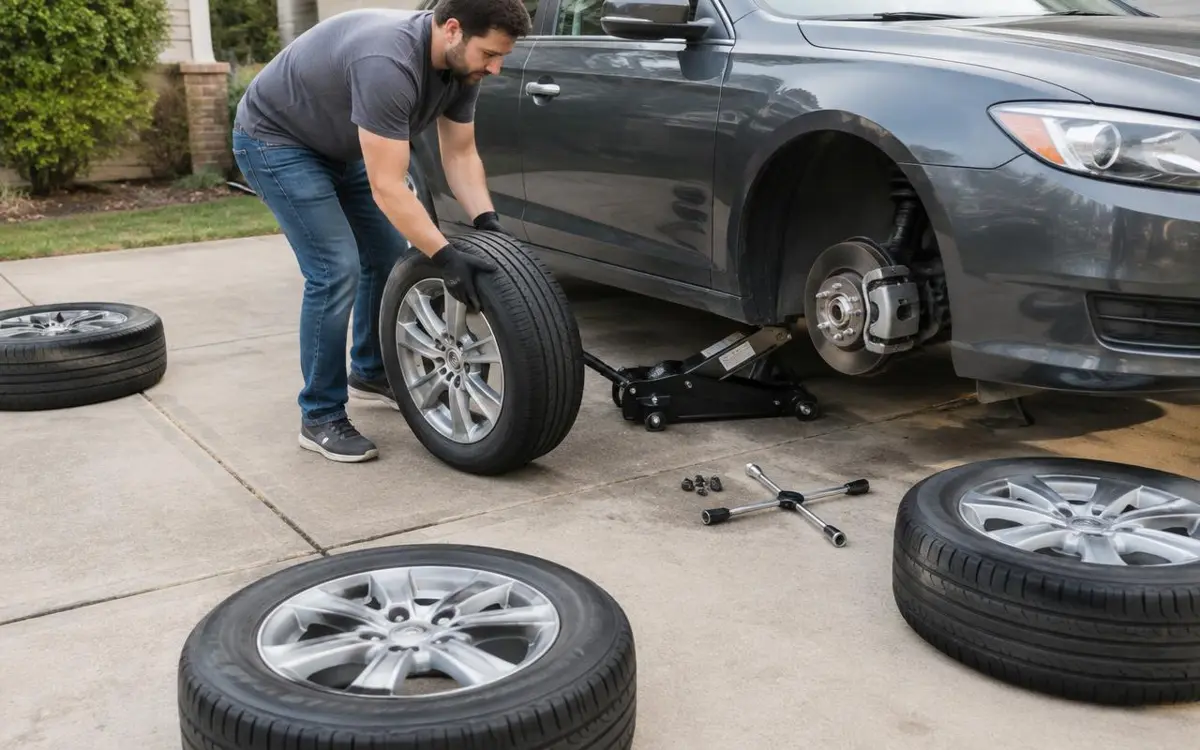
Tire rotation is moving each wheel and tire to a different position on the vehicle — for example, front to rear. The pattern depends on whether your vehicle is front-wheel, rear-wheel or all-wheel drive, and whether your tires are directional.
Why Tire Rotation Matters
On most front-wheel-drive vehicles, the front tires handle steering, most braking and power delivery, so they wear faster. Rotation balances that out, which can extend tire life and keep traction more consistent from axle to axle.
Understanding Tire Wear Patterns
- Even wear across the tread: usually a sign of correct pressure and regular rotation.
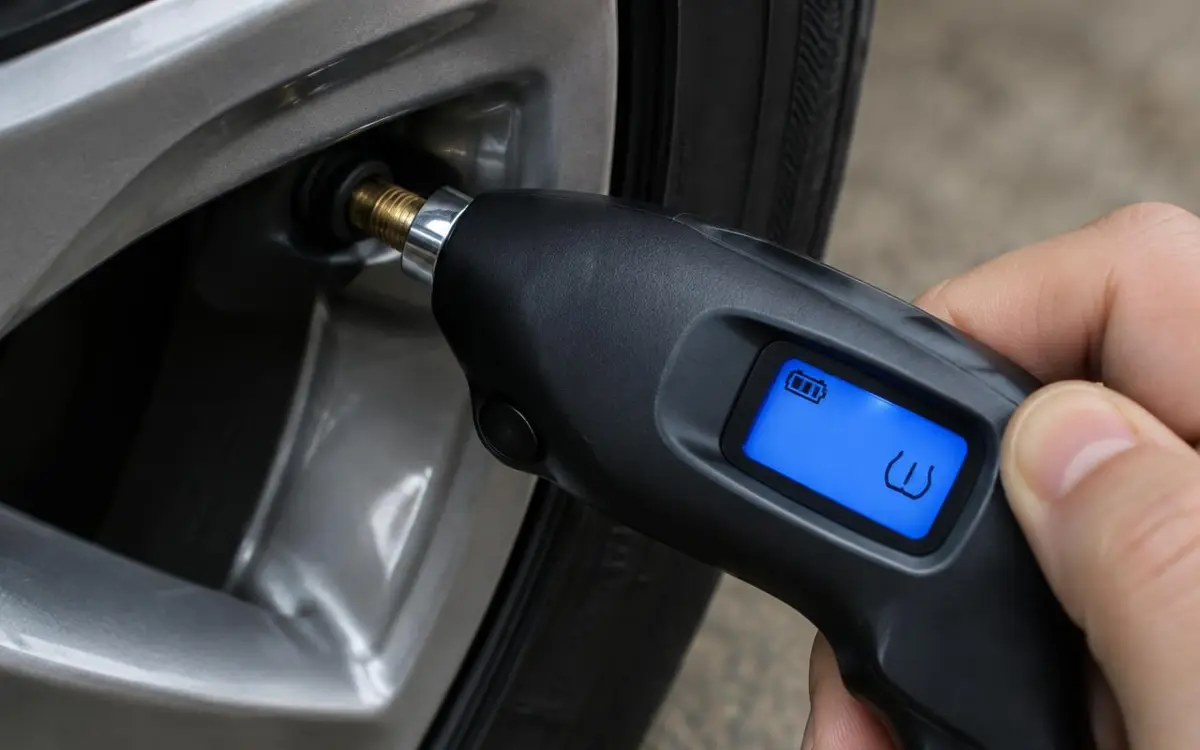
- Wear on both edges: often linked to underinflation.
- Wear in the centre: often linked to overinflation.
- Wear on one edge: may indicate an alignment issue worth having checked at a shop.
How Often to Rotate
Many vehicle manufacturers recommend rotation somewhere around every 8,000 to 12,000 km, but intervals vary. Some drivers find it easy to rotate at each seasonal swap.
Follow Your Vehicle Manufacturer's Recommendations
Your owner's manual is the best source for the correct rotation pattern and interval. All-wheel-drive vehicles in particular can be sensitive to differences in tread depth between tires.
Rotation at Your Location
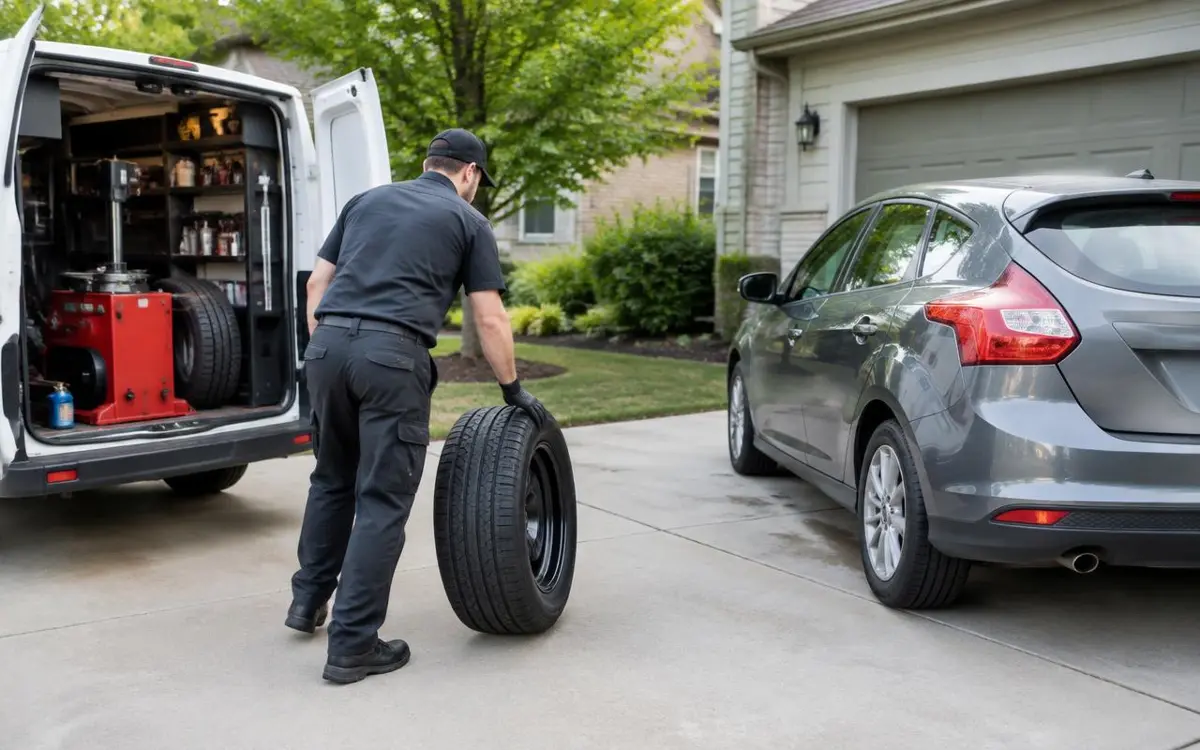
Rotation is a quick job that does not need a shop visit. Combining it with a seasonal tire swap or pressure check makes good use of a single appointment.
What to Prepare Before Booking
- Vehicle drivetrain (FWD, RWD or AWD) if known.
- Mileage since your last rotation.
- Whether your tires are directional.
- Wheel lock key, if applicable.
Booking requests are confirmed by our team before the appointment. Have questions first? Contact us.